Pittsburgh Lock Seamer
Get a quote
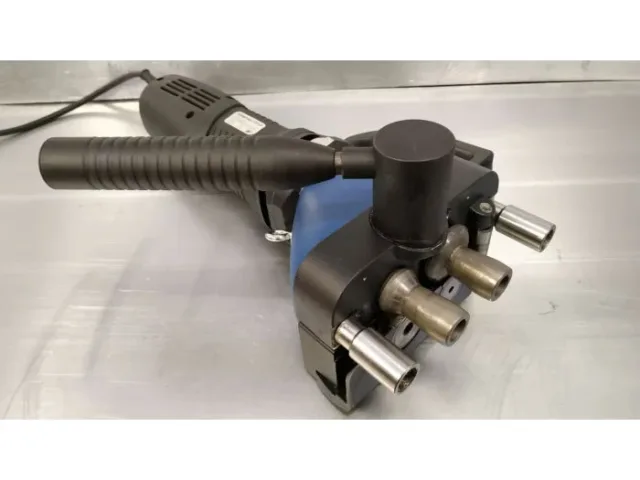
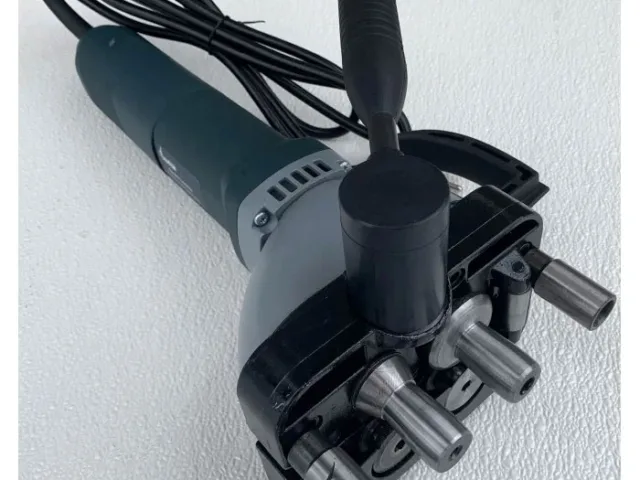
Seaming machines close the seams on mechanically seamed standing seam roof panels after they are installed. Electric seamers travel along the seam and fold it to a single or double lock, while hand seamers are used for starts, ends and detail areas. Roofers who install mechanically seamed systems need a seamer that matches their panel profile exactly, so these tools are frequently bought and sold alongside standing seam roll formers.
Read the Used Standing Seam Machine Inspection Checklist for profile matching tips. Browse standing seam roll formers if you need the panel machine too, or see profiles, tooling & parts.
4 machines
Get a quote
Get a quote
$18,000
Get a quote
No. Seamers are generally built for specific panel profiles and seam heights, and using the wrong one can damage the seam or the paint. Ask the seller exactly which panel profile and roll former the seamer was used with, and compare that to the panels you install. If in doubt, ask the panel or machine manufacturer.
If you install mechanically seamed roofs only now and then, renting from a panel supplier may make more sense. If you install them regularly, owning a seamer that matches your profile can save time and scheduling hassle. Compare rental costs over a year against the purchase price and upkeep.
Run it on a short section of correctly installed panels of the right profile. The seam should be fully closed, even along the length, and free of scratches or crushed metal. The machine should track without wandering. Check the cord, switch and motor for heat, and confirm all rollers turn freely.