Used Shears for Sale
Shears cut flat sheet and coil stock into blanks for trim, flashing and panels. Roofing and sheet metal shops use foot-operated and manual shears for lighter material and powered or hydraulic shears for longer cuts and heavier gauges. A good shear saves time at the folder and gives cleaner, square edges on finished pieces.
What to check on a used shear
- Cutting length and capacity: confirm the rated thickness for the metals you use, as capacity is often lower for stainless.
- Blades: look for chips, rounding or uneven gaps, and ask if blades have been sharpened or can be.
- Blade clearance: test cuts should be clean, without burrs or bent edges.
- Hold-downs: check that they clamp evenly so material does not shift.
- Back gauge and squaring arm: check accuracy and smooth adjustment.
- Guards and power: confirm guards are fitted and electrical or hydraulic systems work.
Many buyers pair a shear with a folder, so see folders & brakes and the power folder buying guide. For coil processing, compare slitters and cut-to-length lines. Read Avoiding Scams When Buying Equipment Online before paying.
9 machines
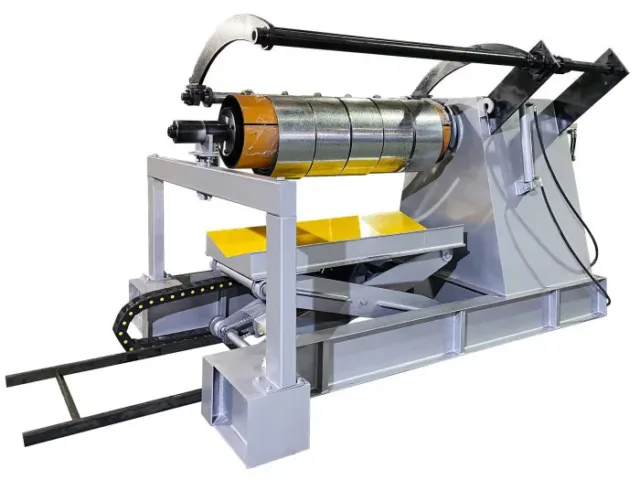
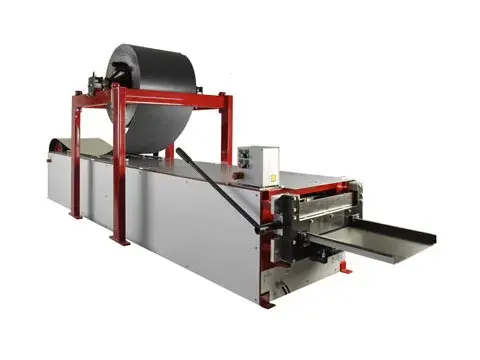
Motorized Hydraulic Recoiler machine MR10
Get a quote
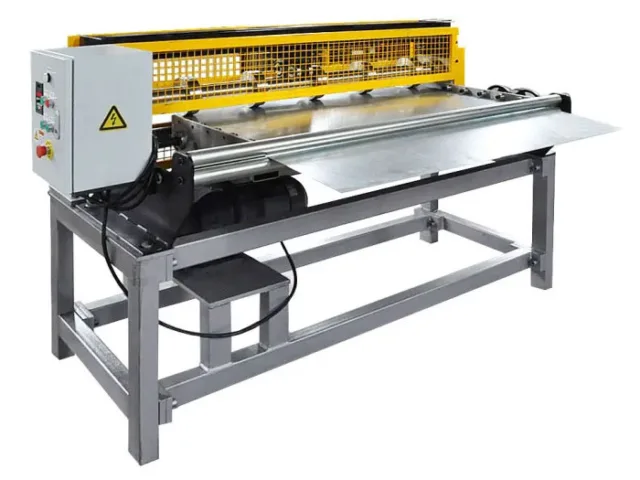
Square Duct Beading Machine for HVAC
Get a quote
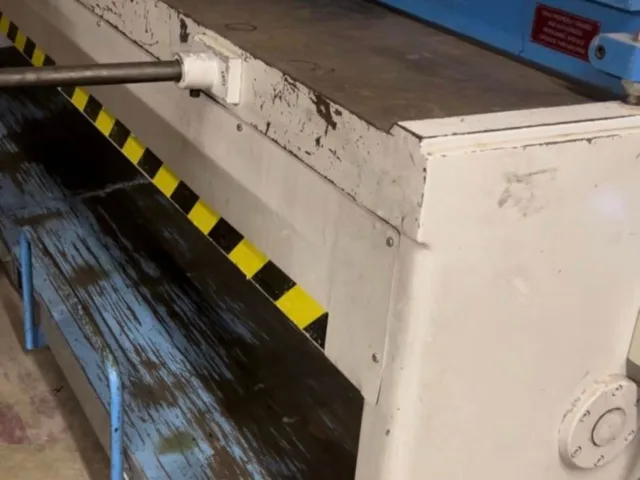
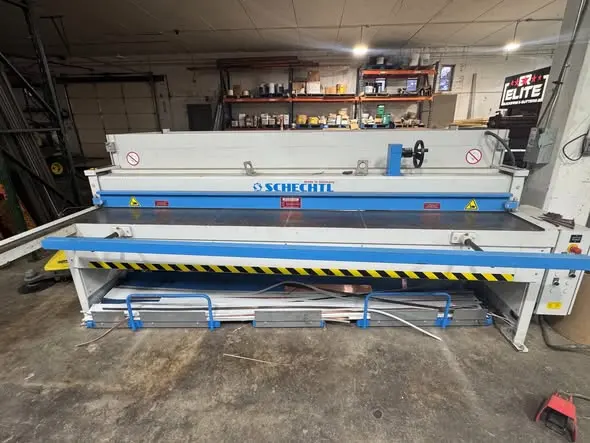
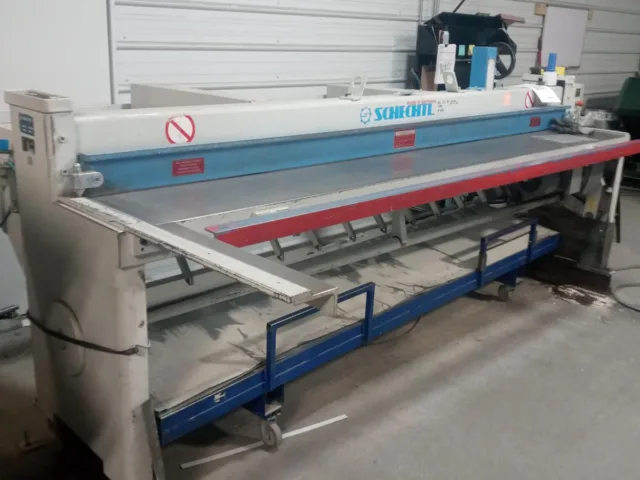
Schechtl SMT Shear
$25,000
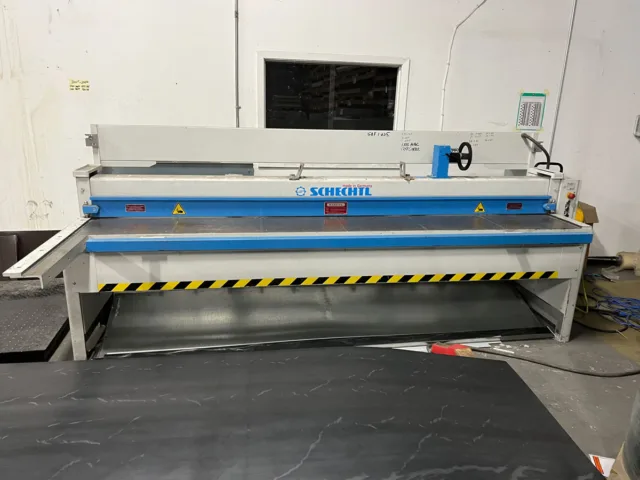
Schechtl Shear
$25,000
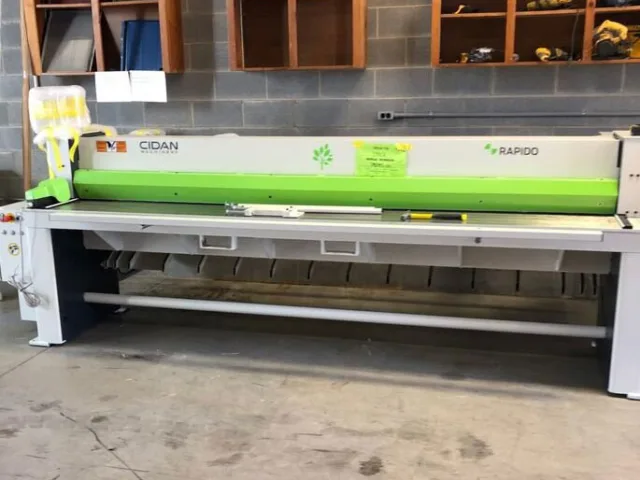
Questions about Shears
How can I tell if shear blades need replacing?
Look for chips, nicks, rounded edges or burrs on test cuts, and check whether thin material folds instead of cutting cleanly. Uneven cuts can also come from incorrect blade clearance, which can sometimes be adjusted. Ask the seller when blades were last sharpened or replaced, and price new blades before making an offer.
What size shear does a roofing shop need?
Most roofing and trim shops choose a cutting length that matches their coil widths and longest blanks, and a capacity above the heaviest gauge they cut. Think about whether you mainly cut aluminum, painted steel or copper. Ask other members on the community board what they use for similar work.
Is a hydraulic shear worth it over a manual one?
Hydraulic and powered shears cut longer and heavier material with less effort and often more consistency, which helps with volume. Manual shears are simpler, cheaper and need no power. Consider how much cutting you do each day, material thickness, available power and floor space.