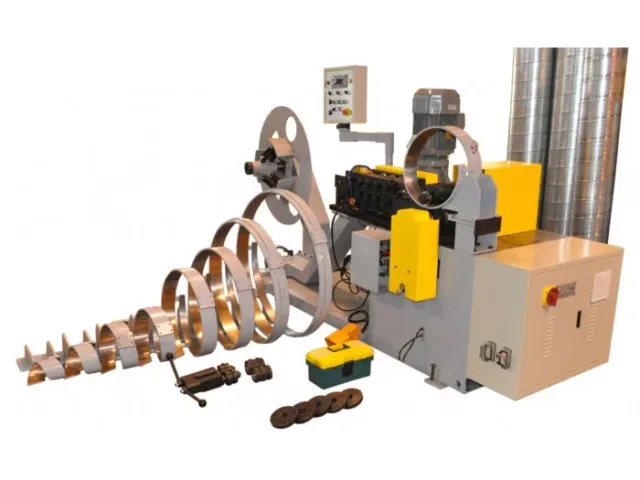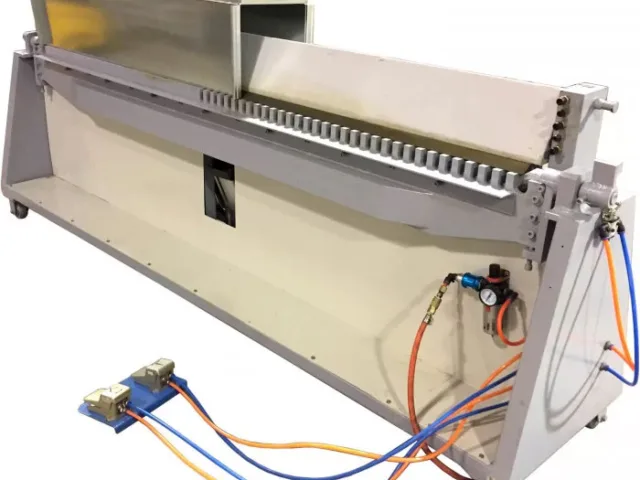
TDFC Air Brake
Get a quote

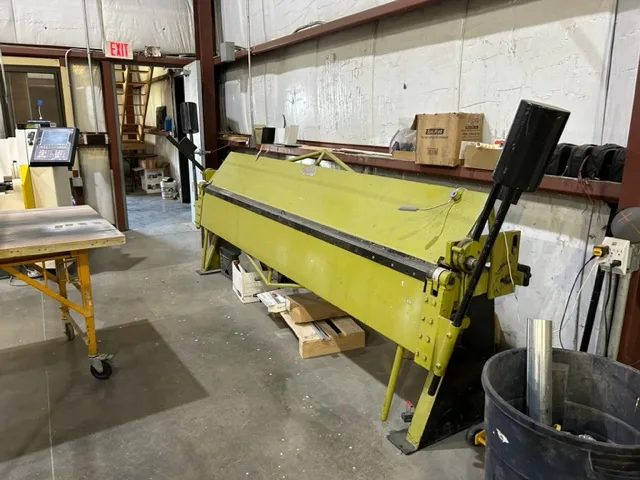
Portable brakes are manually operated sheet metal brakes light enough to move on a stand or trailer to the jobsite. Siding and trim crews use them for coil stock wraps, window and door trim, drip edge and soffit details, and roofers use them for flashing and small custom pieces. They are among the most common used items listed by contractors.
Read Choosing a Used Portable Brake before you go to see one, and check Avoiding Scams When Buying Equipment Online if the seller is far away. For heavier shop work, compare with power & hydraulic folders, and see shears for cutting blanks.
3 machines
Pick a length that covers the longest trim pieces you bend regularly, with a little margin. Longer brakes handle more work but are heavier and harder to move and store. Many crews choose based on the trim lengths they buy coil stock for. Ask other members what length they use for similar work.
Many portable brakes are designed mainly for aluminum and light gauge material, while some are rated for heavier steel. Check the manufacturer's rated capacity for the exact model and ask the seller what material they have bent. Bending beyond the rating can bend the frame or wear hinges early.
Look for a bowed bending leaf, uneven bends across the length, loose or wobbly hinges, cracked handles or castings, and weld repairs on the frame. Bent rails from a fall off a trailer are common. If a test bend is not consistent end to end, factor repair costs into your offer or walk away.